


The Complete Butcher’s Guide
Smoked Meats
Wood. Temperature. Method. Everything we’d teach somebody walking into our Bemidji shop and asking how this works. Stittsworth Meats · Butcher shop since 1940 · Bemidji, MN.
In this guide:
What “smoking” actually is.
Grilling and smoking get talked about like they’re the same thing. They aren’t.
Grilling cooks meat fast with direct heat — 500 to 700°F — for a few minutes a side. The goal is sear, char, and a quick internal cook. Steaks, burgers, hot dogs. The fire is right under the meat.
Smoking cooks meat slow with indirect heat — 180 to 275°F — for hours, sometimes a full day. The heat source is offset from the meat. Wood smoke does two jobs: it provides flavor, and the long cook time at low temp breaks down the connective tissue in tough cuts.
This is why brisket, pork shoulder, and ribs — the cuts that would be inedible after 10 minutes on a grill — become tender after 12 hours in a smoker. The collagen melts. The fat renders slowly. The smoke seasons the meat all the way through, not just on the surface.
Why butcher-shop smoked meat is different.
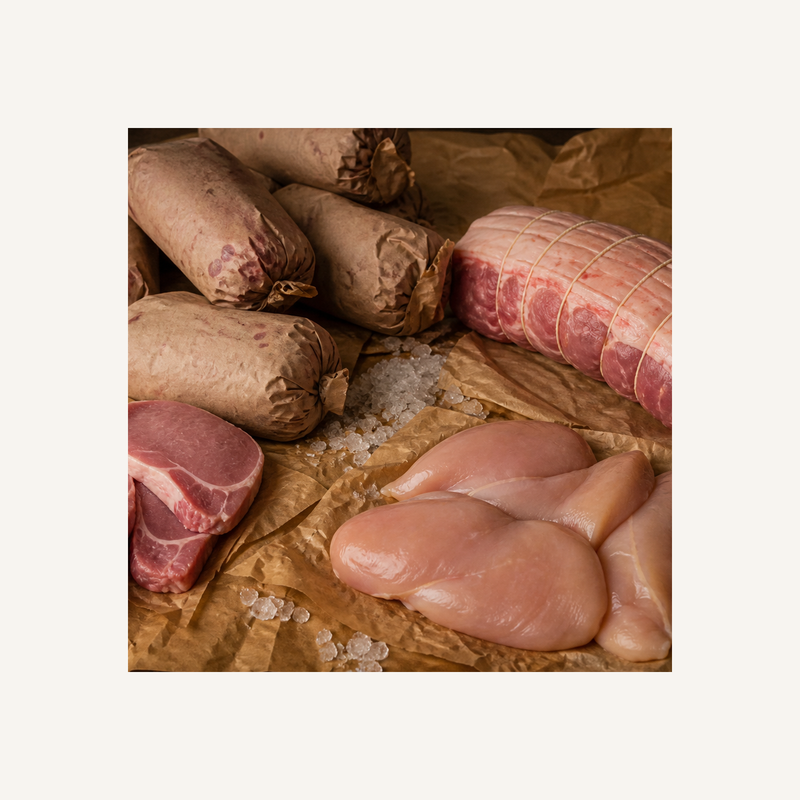
The meat you bring home from a butcher shop and the meat you buy at a grocery store look similar in the case. They smoke very differently.
Whole muscle vs. processed. A butcher-cut pork shoulder is one piece of muscle and fat. A grocery shoulder is often the same — but a grocery brisket, brisket flat, or pork belly may have been injected with a brine solution to add weight and shelf life. That brine washes out into your smoker over a 12-hour cook and dilutes everything.
Trim and prep. A butcher trims for the cook. The fat cap on our briskets is at the right thickness when you take it home — you don’t have to spend 30 minutes with a knife before you light the smoker. A grocery brisket often arrives with 2 inches of fat cap and irregular geometry that cooks unevenly.
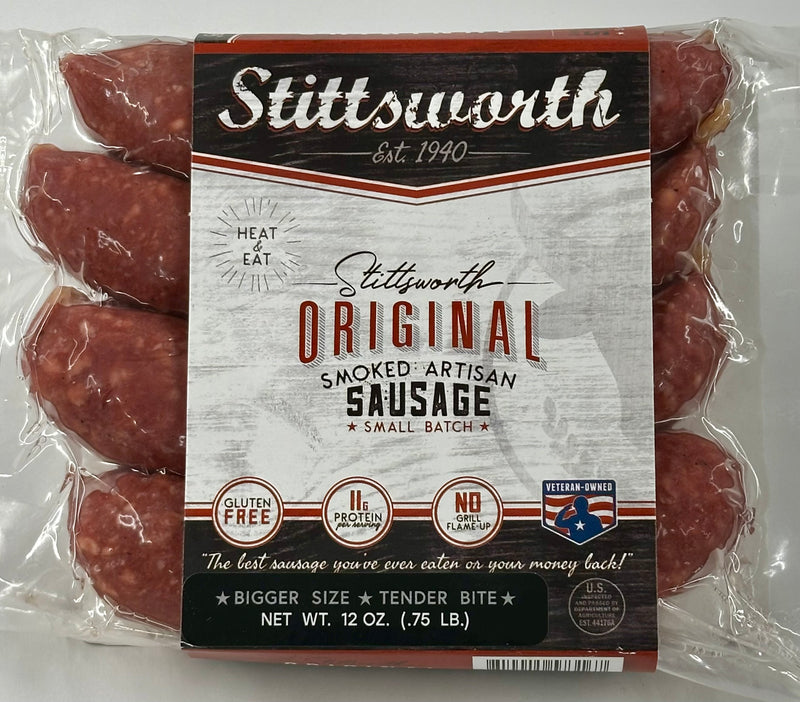
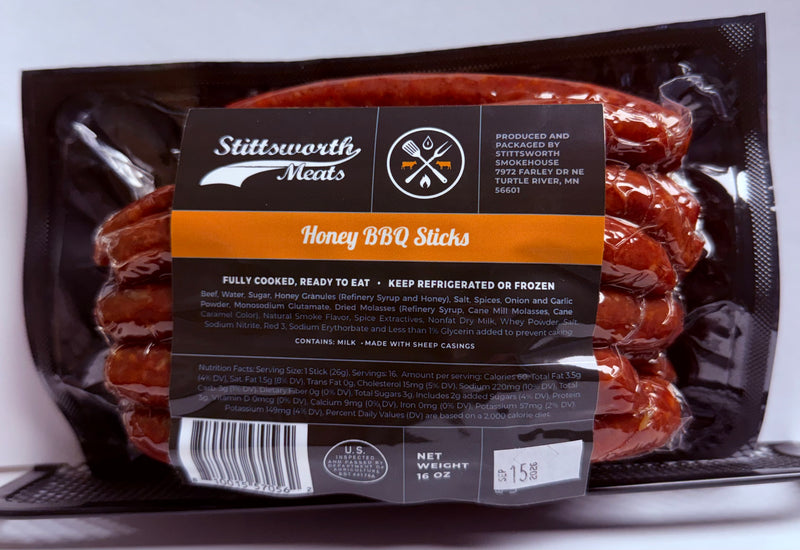
Sausage made with real recipes. The brats, summer sausage, and snack sticks we smoke at Stittsworth are seasoned with house blends and stuffed at our facility — not pre-made in a co-packer plant. The seasoning is balanced for our meat-to-fat ratio, which means the flavor doesn’t blow out under the smoke or wash out in the wrap.
No mystery. When you call our Bemidji shop and ask what’s in the snack sticks, you get a real answer from somebody who made them. That’s not available at scale.
The temperature chart.
Two numbers for every smoked meat: chamber temperature (what your smoker reads) and internal temperature (what your meat thermometer reads). The second one is what matters.
| Meat | Smoker Temp | Pull At | Time |
|---|---|---|---|
| Brisket | 225°F | 203°F internal | 12–16 hours |
| Pork Ribs (St. Louis) | 225°F | Probe-tender | 6 hours (3-2-1) |
| Pork Shoulder | 225°F | 203°F internal | 10–14 hours |
| Bratwurst | 225°F | 160°F internal | 60–90 min |
| Snack Sticks | 170°F | 155°F internal | 4–6 hours |
| Summer Sausage | 170°F → 200°F | 155°F internal | 6–8 hours |
| Beef Jerky | 160°F | Dry to bend | 4–6 hours |
| Bacon (hot smoke) | 200°F | 150°F internal | 3 hours |
| Whole Chicken | 275°F | 165°F internal | 3–4 hours |
| Pork Belly Burnt Ends | 250°F | 203°F internal | 4–5 hours |
Times are guidelines — meat is done when it’s done. Use an instant-read thermometer in the thickest part. For brisket and pork shoulder, “probe-tender” (a probe slides in like warm butter) beats any temperature target.
Wood selection guide.
The wood you choose changes the flavor more than the rub does. Here’s the master chart.
| Wood | Profile | Best With |
|---|---|---|
| Apple | Sweet, mild, fruity | Anything. Universal pick. |
| Hickory | Strong, bacon-like | Pork, bacon, ribs |
| Oak | Medium, clean | Brisket, beef, large cuts |
| Cherry | Sweet, fruity, adds color | Poultry, pork, blends |
| Pecan | Mild-nutty, slightly sweet | Poultry, pork, lighter beef |
| Maple | Subtle, sweet | Poultry, ham, bacon |
| Mesquite | Intense, earthy | Short, hot cooks only (steaks) |
For a deeper dive on which woods pair with which meats — including blends, what to avoid, and Stittsworth’s shop favorites — see the full wood pairing chart.
What you actually need.
The smoker that gets used regularly is the right smoker. Pick the one that matches how much friction you can tolerate.
Pellet smoker
Easiest entry. Set the temperature, fill the hopper with pellets, walk away. Traegers and similar. The flavor is milder than offset wood because the fire is smaller and more efficient. If you’re cooking once a week and want consistency over romance, this is the pick.
Kettle grill (Weber)
Two-zone setup: charcoal on one side, meat on the other, wood chunks on the coals. Closer to traditional smoking. Cheaper than a dedicated smoker. Smaller cook surface and you have to manage the fire, but a kettle smokes a brisket beautifully.
Offset smoker
The traditional Texas barrel-and-firebox. Wood-fired. The fire is in a separate chamber, heat and smoke flow through to the meat. Cleanest flavor, most authentic experience, and the steepest learning curve. Fire management is the whole game.
Electric smoker
Set-and-forget. Cleanest neighbor-relations experience. Less authentic smoke flavor than wood-fired options but consistent for sausage, jerky, and snack sticks where you want controlled low temps.
Thermometers
Two: an instant-read for spot checks (Thermapen ONE is the gold standard), and a leave-in probe for tracking the cook. Built-in smoker thermometers lie. Use your own.
The universal smoking method.
Every smoked meat is some variation of this. Once you have the rhythm, you can adapt to anything.
- Bring meat to room temp. Pull from the fridge 30–60 minutes before. Cold-into-hot is uneven and stretches the cook.
- Season heavily. Salt the night before for big cuts (brisket, pork shoulder). Rub before the smoker for everything else. Meat takes more seasoning than you think — the smoke adds its own dimension on top.
- Preheat smoker. Steady chamber temp before the meat goes on. 225°F for most things. Wood loaded.
- Smoke at low and steady. Don’t open the lid every 20 minutes. Every peek bleeds heat and adds 15 minutes to the cook. Trust the process.
- Wrap if it stalls (large cuts). Brisket and pork shoulder hit a stall around 165°F where the temp plateaus. Wrap in foil or butcher paper to push through.
- Pull at the right internal temp. See the chart. For tough cuts, probe-tender beats temperature numbers.
- REST. This is non-negotiable. 30 minutes minimum for ribs, 1+ hours for brisket and pork shoulder. Wrapped, in a dry cooler. The rest is where texture happens.
- Slice and serve. Against the grain. Sharp knife. Don’t saw — slide.
Hot smoking vs cold smoking.
Most home smoking is hot smoking — the meat is cooked by the smoker’s heat, with smoke as a flavor bonus. Brisket, ribs, pork shoulder, sausage, chicken, jerky. Chamber temp is 160–275°F. The meat comes out cooked and ready to eat.
Cold smoking happens below 90°F. The smoke flavors the meat but doesn’t cook it. Used for products that are cured first (so they’re safe at room temperature) and either eaten as-is or cooked separately later. Classic examples: bacon (cured, cold-smoked, sliced and pan-fried), lox, smoked cheese.
Cold smoking at home requires a cold-smoke generator or a smoker designed for the temperature range. The cure is the safety mechanism — raw meat in a low-temp smoke for hours without cure is a food-safety problem. For most home cooks, hot smoking covers 95% of what you want to do.
Common mistakes.
Too much smoke.
White, billowing smoke is bad smoke — it tastes like creosote. You want thin, almost-invisible blue smoke. If your smoker is pumping out white clouds, your fire is choking on too much wood or not enough oxygen.
Opening the lid.
Every peek costs you 15–20 minutes of cook time. Trust your thermometers. Open the lid for the wrap and the pull. That’s it.
Skipping the rest.
A brisket pulled at probe-tender and sliced 10 minutes later is good. The same brisket rested 90 minutes is great. The rest isn’t optional — it’s when the texture finishes setting.
Cooking by time instead of temperature.
“The recipe said 8 hours” isn’t a real measurement. Every brisket is different. Every smoker holds heat differently. Cook to internal temp and feel, not the clock.
Using bad meat.
A 12-hour cook will not save a bad brisket. Start with whole-muscle butcher-shop meat. The smoke amplifies what’s already there.
Deep-dive guides by meat.
This pillar covers the framework. Each guide below goes deeper into one specific cut or product.
How to Smoke Brats
The 225°F method, six flavors, why you should never boil first.
Read →Beef Jerky & Sticks
Whole-muscle jerky vs. ground sticks — how they're actually made.
Read →Smoked Summer Sausage
The smoked sausage we sell more of than any other.
Read →Smoked Bacon
Cure, hang, smoke, slice — what makes butcher bacon different.
Read →Snack Sticks
The portable protein — how sheep-casing sticks are made.
Read →Wood Pairing Chart
Quick-reference master chart for wood × meat combinations.
Read →Recipe: Last Meal Smoked Ribs
The 3-2-1 method, tuned. Full step-by-step with Recipe schema.
Read →Recipe: Killer Brisket
A 14-hour packer brisket method that holds up.
Read →Recipe: Candied Bacon
Brown sugar, black pepper, low oven. Three ingredients.
Read →What's the difference between smoking and grilling?
Grilling cooks meat with direct, high heat (500–700°F) for a short time. Smoking cooks meat with indirect, low heat (180–275°F) for a long time, using wood smoke as both heat source and flavor. Grilling sears the outside fast; smoking transforms connective tissue and infuses smoke flavor throughout the meat.
What temperature do you smoke meat at?
For most meats: 225°F. This is the universal low-and-slow target for brisket, ribs, pork shoulder, sausage, and chicken. Higher (250–275°F) is acceptable when time is short. Cold smoking happens below 90°F and is reserved for items being cured separately (like bacon and lox).
What's the best wood for smoking meat?
Apple is the safest, most versatile wood — sweet, mild, works with everything. Hickory is stronger and pairs well with pork and bacon. Oak is the middle-ground workhorse for beef and brisket. Cherry adds color and a hint of fruit. Mesquite is aggressive — use only for short, hot cooks like steaks, not low-and-slow.
Do I need a fancy smoker?
No. A pellet smoker is the easiest entry point. A kettle grill with charcoal and wood chunks set up for indirect heat will smoke meat beautifully. Offset smokers offer the most authentic flavor but require fire management skill. The smoker that gets used regularly is the right smoker.
What's the difference between hot smoking and cold smoking?
Hot smoking (180–275°F) cooks the meat fully — brisket, ribs, pulled pork, sausage. Cold smoking (under 90°F) adds smoke flavor without cooking — used for bacon, lox, cheese, and cured meats that are eaten without further cooking or finished separately. Cold smoking requires a cured product first for food safety.
How long does smoked meat last?
Refrigerated smoked meat (brisket, ribs, pulled pork) lasts 3–4 days. Vacuum-sealed and frozen, it lasts 3–4 months without quality loss. Cured smoked products vary by make — heavily preserved versions keep at room temperature, while preservative-free products belong in the fridge, where they keep for months.
Start With Real Meat
The smoke amplifies what’s already there.
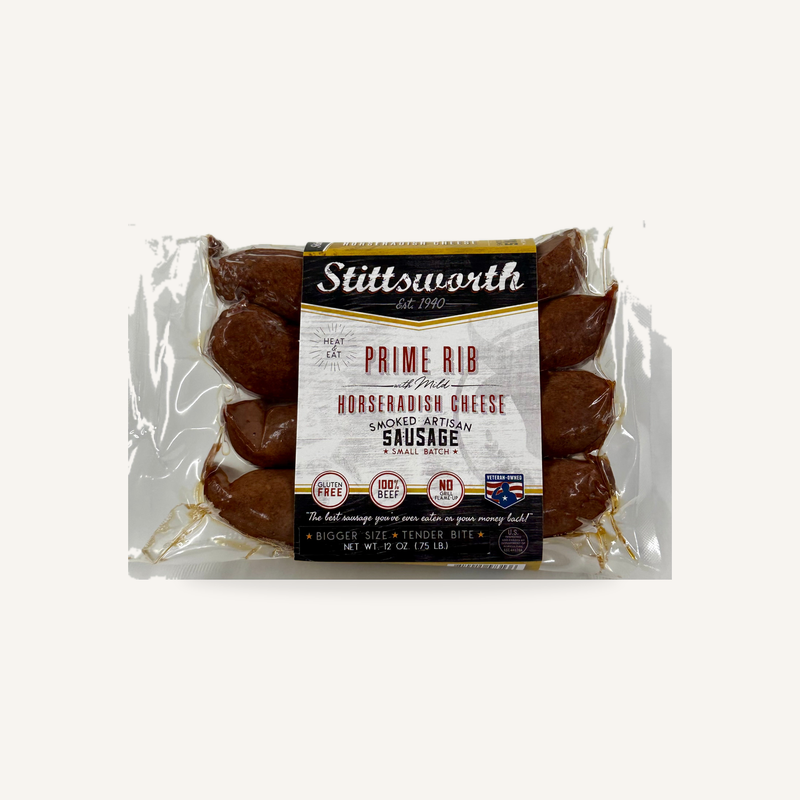
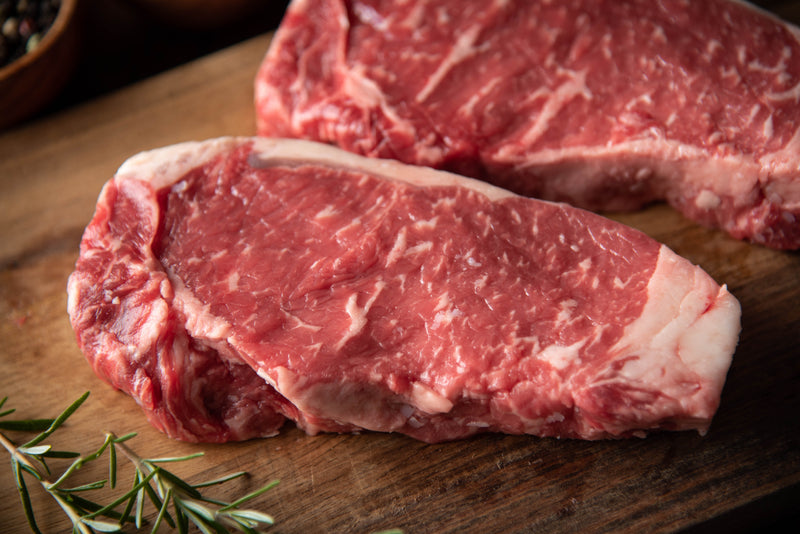
Why Our Smoked Meats Taste Better
- Five generations
- No Fillers. No Shortcuts.
- Ships frozen from Bemidji. When we ship it, you eat it.