There's a tag on the wall in our shop that reads "Made, Not Curated." Three words. Most customers walk past it. The wholesale buyers stop and read it. They know exactly what it means. Most premium meat brands you see online are curated — somebody else makes the meat, the brand puts a label on it. We've been doing the opposite in Bemidji, Minnesota since Clarence Stittsworth opened the first counter in Turtle River in 1940.
This is the difference. And it's why our family is still in this business five generations later.
→ Browse our Meat Bundles — every cut cured under our roof
What "Curated" Actually Looks Like
Most premium meat brands you've heard of online are not smokehouses. They are marketing companies with a freight contract. Someone writes the brand story, designs a beautiful box, contracts with co-packers, and ships a curated assortment of meat that other people made. ButcherBox, Crowd Cow, Chomps — every one of them started with a designer, not a smoker.
Curation is a real skill. Good curators source from real producers, and we are proud to be one of them. But it's also why two snack sticks with the same premium wrapper can taste completely different from each other. The label is the brand. The meat is somebody else's. When a contract ends or a co-packer goes under, the recipe drifts and most customers never know.
What "Made" Looks Like in Bemidji
We grind our own pork. We blend our own seasoning. We stuff our own casings. We hang the rope sausages, set the smokehouse temperature, and pull the product when it hits the right internal. The next morning we slice the beef strips, vacuum-pack the snack sticks, and hand the boxes to the driver. Our family's name is on every label and on the front of the building.
Five generations of Stittsworths have stood at this counter. Clarence opened the shop in 1940 and built the smokehouse in 1958 — the same base recipe still rolls out of it. His son took over in 1972 and turned a local butcher into a regional one. The third generation stepped in around 2012. I'm the fourth. My son is in the shop after school, learning the same things I did at his age.
That's not a marketing biography. That's the org chart.
Why Vertical Integration Tastes Different
When the same family controls the cure, the smoke, the cook, and the pack, two things happen that you can taste.
Consistency. Our hickory blend has not changed in decades. The salt-to-pepper ratio in the snack sticks is the same one Clarence wrote down by hand. Co-packers can't promise that. The recipe stays. The hands change.
Honesty. When something doesn't work, we change it ourselves — same week, same building. We pulled a box of Steak Escape last summer, noticed the rib-eye trim was a little heavy, and adjusted it the next morning. There's no vendor call. No three-week supply-chain echo. The fix happens in the same room as the problem.
What We Make Under One Roof
A USDA-inspected smokehouse in Turtle River produces every Stittsworth product. Bratwurst. Snack sticks. Beef jerky. Summer sausage. Marinated chicken. Old-fashioned wieners. Ring bologna. Burger patties. Whole-muscle, real hardwood, no liquid smoke, no fillers.
We also private-label for craft brands you have probably eaten without realizing. They send us a recipe. We send back a finished, USDA-stamped product they can stand behind. That program exists because being an actual maker is rare enough that other brands need a partner who can do it.
If a meat brand you like online has a clean ingredient panel and a real story, there's a non-zero chance it came out of our building.
Friesla — The Other Half of the Story
Being a vertically integrated butcher is the moat. It's also a wall — most ranchers can't be one. The capital, the equipment, the inspection. It's a lot.
So a few years ago I co-founded Friesla, a containerized USDA-inspected processing system that lets a farm or a co-op handle their own slaughter and butchering on-site. The whole concept came out of a project at Minnesota State University — what would happen if we made vertical integration accessible to ranchers who currently have to ship animals five hundred miles to a centralized plant?
That's what we built. It's also why "Made, Not Curated" is not just a tagline for us. It's the literal infrastructure we've spent two companies building.
What to Try First
Two ways into the smokehouse, depending on how you eat:
- The Stittsworth Pack — seven packs of Stittsworth brats (your choice), a pound of pepper sticks, a pound of teriyaki sticks, and an original smoked summer sausage. $129.99. The tasting plate of what we make.
- Pocket Meat — Smokehouse Club — six bags of snack sticks and jerky shipped monthly. $39.99 a box. The cheapest way to keep a real smokehouse in your pantry without thinking about it.
Or browse the full Meat Bundles collection — every cut cured, smoked, and packed under our one roof in Turtle River, Minnesota.
The Difference You Can Taste
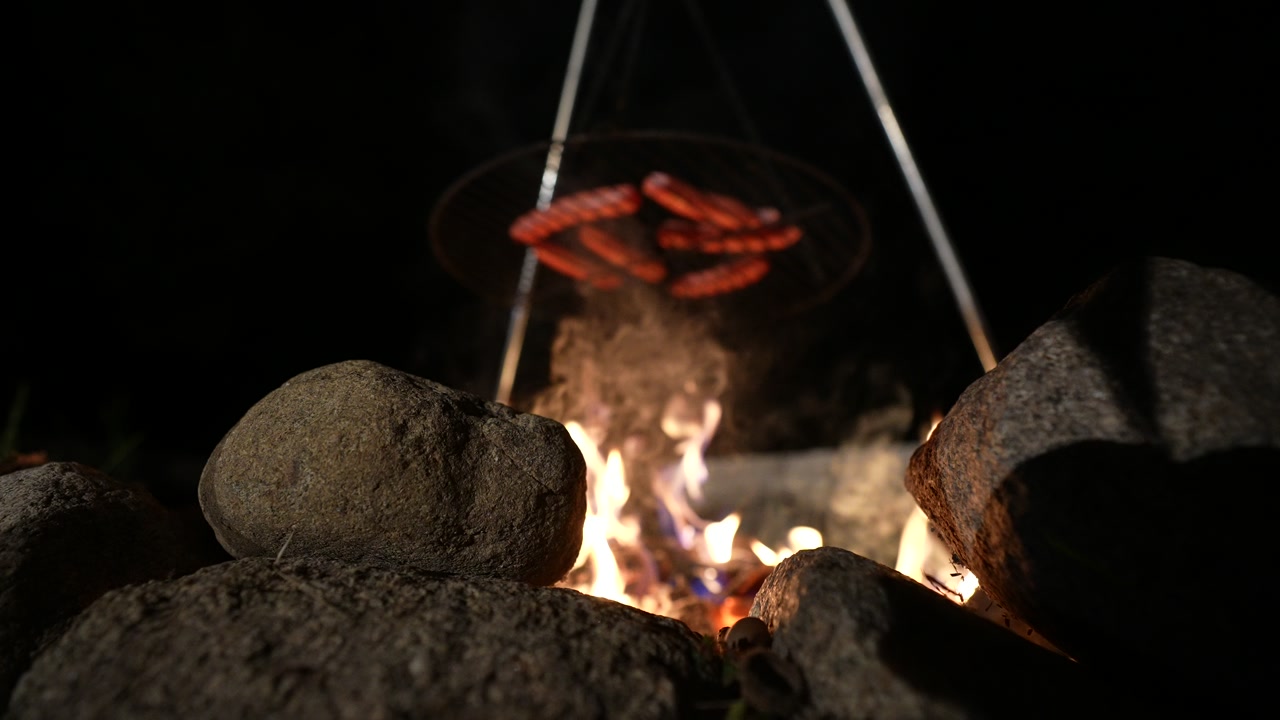
You can taste curation. You can taste a long supply chain. They are not the same thing as smoke from a real fire, in a real smokehouse, run by a family whose name is on the building.
That's the difference. That's why we still do it the long way.
→ Order the Stittsworth Pack and taste a smokehouse that still does it itself.