

Hunter’s Guide
Wild Game Processing
Field to freezer — what a 4th-generation butcher wishes every hunter knew.
Stittsworth Meats · Processing deer, elk, and bear in Bemidji since 1940
Most of what a hunter pays for at a processor — or wastes at home — is decided in the first six hours after the shot. Field dressing, cooling, and how the animal gets to the cooler is what separates a freezer full of clean venison from a freezer full of gamey meat you slowly stop eating in March.
This is the butcher’s side of that conversation — what we wish more hunters knew before walking into the shop.
Step One
Field dress fast. Cool faster.
The single biggest variable in venison quality is how fast the body cavity gets opened, cleaned, and cooled. Body heat is the enemy. Bacteria don’t care that it’s opening day — they’re working the moment the animal goes down.
Gut within an hour. Sooner is better. Two hours is the outside window in warmer weather.
Get heat out. Open the body cavity, get the diaphragm out, prop the cavity open with a stick to let air move through.
Don’t wash with creek water. Standing or running creek water introduces bacteria you don’t want. Wipe with clean cloth instead.
Avoid the gut spill. If the stomach or intestines burst during dressing, get it cleaned out fast — that’s where gamey taste comes from, not the deer itself.
Step Two
Hang it. Or get it to us cold.
Cold weather is the hunter’s aging cooler. Warm weather is a clock you’re losing.
Under 40°F
Hang the carcass for 3–7 days for dry aging. Tendons relax, muscle fibers break down, the meat tenderizes. This is why November-killed deer often tastes better than September-killed deer.
Above 50°F
Get it to a processor within 24 hours. If you can’t, quarter the animal and get the quarters into a cooler with ice. Drain the meltwater daily.
If the carcass smells sour at the neck or the hams feel warm to the touch when you pick it up, that meat is past its window. Don’t bring it in.
Step Three
Questions to ask any processor.
“Do you batch process or individual?”
Batch processing — where multiple hunters’ deer get mixed together and you take home “a fair share” — is faster and cheaper for the processor. But the meat you take home isn’t the meat you brought in. Stittsworth processes each animal individually. Your deer is your deer.
“What’s your cut sheet?”
A good processor walks you through it. Backstraps whole or sliced into medallions? Steaks or grind from the hindquarters? Roasts from the shoulders, or all sausage? The cut sheet is where the freezer plan happens.
“Do you make sausage in-house?”
Real sausage means real seasoning, real grinding, real stuffing — not a frozen pre-mix. Snack sticks, summer sausage, brats, and ring bologna are all made in-shop at Stittsworth.
“What’s your turnaround?”
Peak season (mid-November through mid-December) is busy. Call ahead for current turnaround. We’ll always tell you straight rather than overpromise.
Plan The Freezer
Steaks. Roasts. Grind. Sausage.
Backstraps & Tenderloins
The best cuts on the animal. Whole, or cut into 1.5" medallions. Don't grind these.
Hindquarters
Round steaks, sirloin tip roasts, or grind. Most hunters split — some steaks, rest to grind.
Shoulders
Shoulder roasts (slow-cooker territory) or grind for burger. Tough muscle, works best low-and-slow or ground.
Trim & Scraps
This is sausage. Snack sticks, summer sausage, brats, ring bologna. Add pork fat for the right texture.
Ribs
Most processors skip ribs on deer (low meat-to-bone). Worth asking for if you want to try smoked venison ribs.
Bones
Soup bones available if you ask. Venison stock is excellent for braising.
Custom Processing
Drop it off at Stittsworth.
Stittsworth has been processing wild game in Bemidji since 1940. Individual processing — your animal, your meat, your name on the package. Real sausage made in-shop. Skilled cutters who know what each cut wants to be.
Processing Plant
Turtle River Facility
7972 Farley Dr NE
Turtle River, MN 56561
(218) 586-2149
Retail / Pickup
Bemidji Shop
722 Paul Bunyan Dr NW
Bemidji, MN 56601
(218) 751-1320
FAQ
Questions hunters ask every season.
How long can a deer hang before processing?
In cold weather (under 40°F), 3–7 days for dry aging. Warmer than 50°F, get it to a processor within 24 hours.
How much does deer processing cost?
Basic processing (cut, wrap, freeze) typically runs $90–$150 for a whole deer. Sausage, summer sausage, jerky, and snack sticks add per-pound charges. Call Stittsworth at (218) 586-2149 for current rates.
Do I need to skin and quarter before bringing it in?
No. Stittsworth accepts whole field-dressed animals. Just make sure it's gutted and cooled. Call (218) 586-2149 during deer season for drop-off windows.
Will I get back my own deer?
Yes. Stittsworth processes each animal individually — no batch processing. The meat you take home is the meat you brought in.
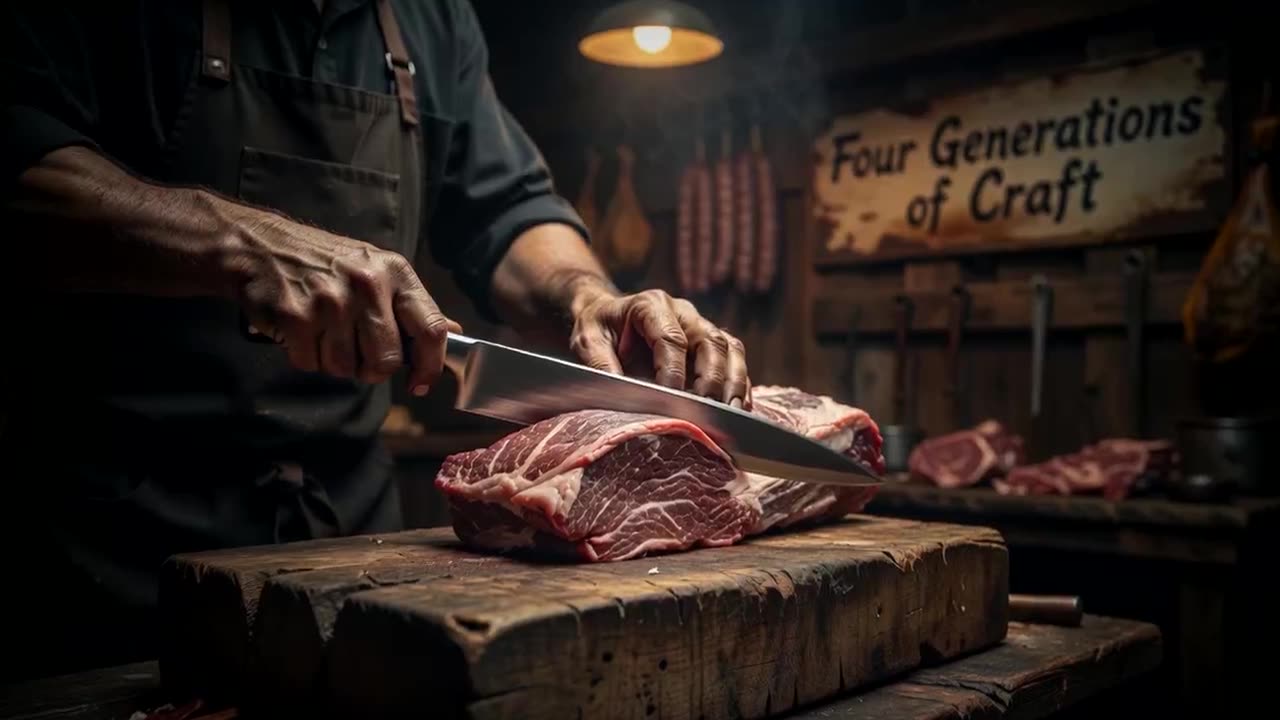
Real hands. Real smokehouse. Your harvest.