
Handcrafted in Bemidji, MN · Since 1940
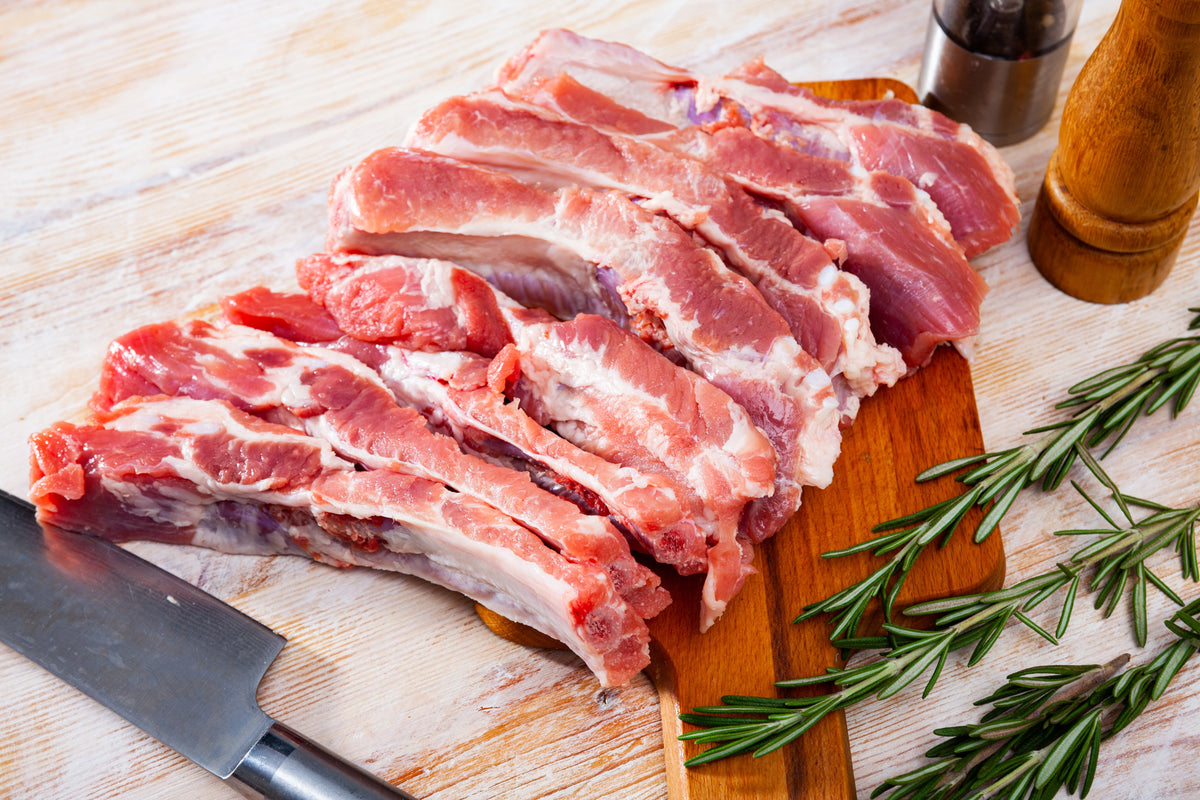
Country Style Pork Ribs
Real wood smoke. No fillers. USDA-inspected. Packed frozen from the same smokehouse that feeds northern Minnesota.
Ships frozen · free over $125
Ships frozen from Bemidji this week
Packed cold to order — not pulled from a distant warehouse. Free shipping on orders $125+. Most orders leave within 1–2 business days; order by Thursday for weekend arrival in many zones.
- USDA inspected
- Real hardwood smoke
- No fillers
- Family-owned since 1940
- Ships frozen nationwide
We cut everything fresh specifically for you after your order has been placed! Please allow for the possibility of additional cut time.
Discover the rich, hearty taste of country-style pork ribs — grill, bake, or smoke them low and slow.
How it's sold: one package of country style ribs. One set price — what you see is what you pay, with no weight adjustment at checkout.
- Free shipping over $125 · cold-pack nationwide
- Made to order in Bemidji — not sitting in a distant DC
- Questions? Call the shop — real humans on the counter
Common questions
Shipping & handling
How does my order ship?
Every order leaves our Bemidji, Minnesota shop packed frozen and cold-packed for the trip — nothing is pulled from a distant warehouse. Shipping is free on orders over $125.
How soon does my order leave the smokehouse?
Most orders leave within 1–2 business days. Order by Thursday and your box arrives over the weekend in many zones.
How is the meat smoked?
Over real hardwood smoke — never liquid smoke, and never fillers. It’s the same method the family has used since 1940.
Is it USDA inspected?
Yes. Everything we make is USDA inspected, cut and smoked in our own family smokehouse in Turtle River, Minnesota.