


Butcher’s Guide · Smoked Meats
Smoked Summer Sausage
The smoked sausage that built American snacking. What it is, how it’s made, and why butcher-shop summer sausage tastes like something different than the log you find at the gas station.
Summer sausage is a cured, smoked, semi-dry sausage that’s ready to slice and eat straight from the package. It’s the meat on every charcuterie board, every hunting-camp cooler, every holiday gift basket. And like everything in the meat case, there’s a wide gulf between mass-market summer sausage and the kind made in a real butcher shop.
We make summer sausage in our Turtle River smokehouse year-round. This is what we tell people when they ask how it works.
A history of refrigeration, in sausage form.
The name “summer sausage” predates household refrigeration. In the 1800s, this was the sausage that survived summer — the one you could keep on a shelf or hang in a cellar without it spoiling. The cure (salt + nitrite + sometimes sugar) and the smoke (low temperature, long duration) made it shelf-stable in a world without iceboxes.
Today the technology is the same. The difference is who’s making it, and what’s in it.
The Stittsworth method.
- Grind beef + pork. Roughly 70/30 beef-to-pork ratio, ground twice. The pork brings fat for moisture; the beef brings structure and flavor.
- Mix with cure + spice. Salt, sodium nitrite (Cure #1), black pepper, garlic, mustard seed, sometimes coriander. House recipe.
- Stuff into fibrous casings. Pre-soaked fibrous casings — the standard summer sausage shape. Tied or clipped at both ends.
- Hang and cold-cure overnight. In the cooler, 24–48 hours. The cure penetrates the meat and the seasoning melds.
- Smoke low to high. Start at 130°F to dry the casing. Step up to 160°F. Finish at 180–200°F until internal temp hits 155°F. Total: 6–10 hours.
- Shower and rest. Cold-water shower to stop the cook and tighten the casing. Hang overnight to bloom — color deepens and flavor settles.
Real meat, short ingredient list.
Pull a Stittsworth summer sausage label and you’ll find: beef, pork, water, salt, dextrose, spices, sodium nitrite. That’s most of it.
Pull a typical grocery summer sausage label and you’ll find that same list plus mechanically separated meat, soy protein concentrate, dextrose, corn syrup solids, maltodextrin, MSG, and a stack of preservatives that extend the shelf life from weeks to months. That stuff isn’t inherently dangerous, but it changes how the sausage tastes and what it’s actually doing in your diet.
Pairs with everything.
- Sliced thin on crackers with sharp cheddar — the original Minnesota charcuterie board
- Cubed and added to a snack tray with cheese curds and pickles
- Sliced into a fried-egg sandwich on dark rye
- Diced into chunky scrambled eggs with onions and peppers
- In the woods, in the cooler, in the back of the deer stand — one log feeds a hunting camp
Whole muscle. Real wood smoke. No shortcuts. Summer sausage the way a butcher makes it.
Is summer sausage fully cooked?
Yes. Pull internal temp is 155–160°F. Ready to slice and eat from the package.
Does it need refrigeration?
Ours, yes. Stittsworth summer sausage is preservative-free, so it lives in the fridge. Once opened, use within 3 weeks. The heavily cured mass-market kind survives on a shelf — that’s not how we make it.
Why is it called summer sausage?
The cure and smoke let it survive warm summer months before refrigeration was common. It was the protein you could keep on a shelf.
What's the difference between summer sausage and salami?
Both are cured sausages. Salami is air-dried and fermented for weeks. Summer sausage is smoked and cured in 6–10 hours. Different texture, different flavor, different shelf life.
Part of the Smoked Meats guide series.
Made in Our Turtle River Smokehouse
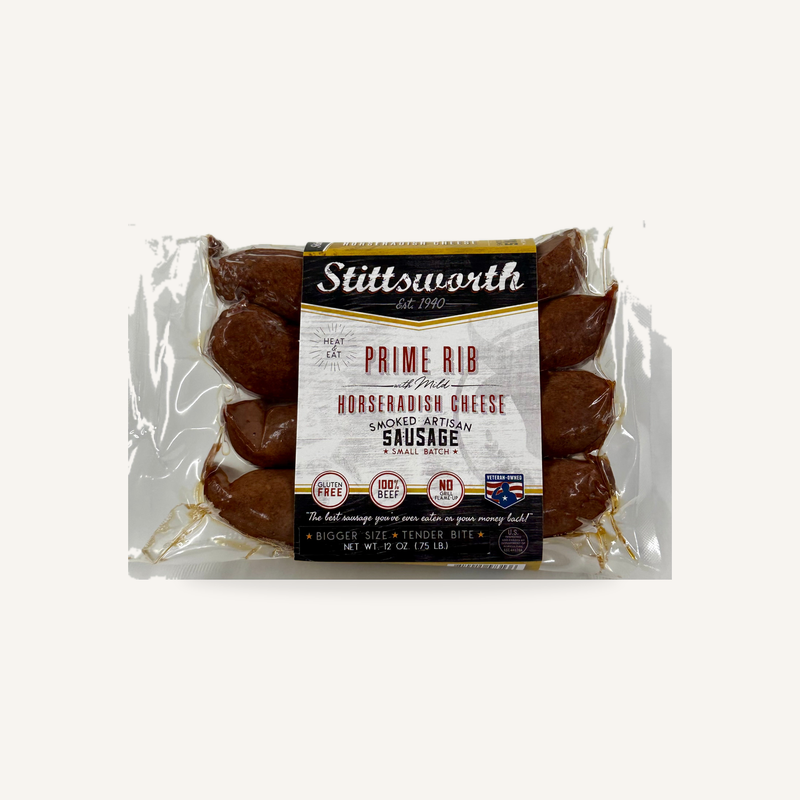
Try Stittsworth Summer Sausage.
Why Our Smoked Meats Taste Better
- Five generations
- No Fillers. No Shortcuts.
- Ships frozen from Bemidji. When we ship it, you eat it.